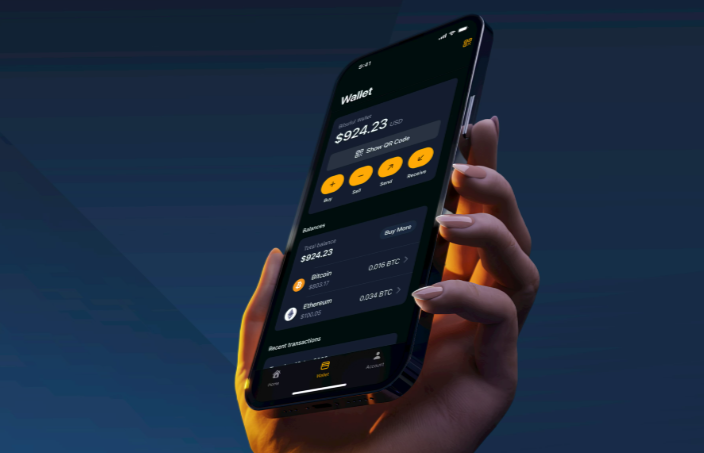

Cryptocurrency is reshaping cross-border payments by bypassing traditional correspondent banking and enabling near-instant settlement on decentralized networks. Transparent fee structures and improved settlement efficiency address long-standing frictions, particularly for high-volume, time-sensitive transfers. Smart contracts automate cross-border settlements, reducing manual steps and latency while increasing visibility. Yet, liquidity requirements, regulatory alignment, and risk management remain central challenges as governance and interoperability standards evolve to sustain scalable, compliant global payment ecosystems. The next question concerns how institutions balance these factors at scale.
Understand How Crypto Payments Move Money Across Borders
Cryptocurrency payments move money across borders by leveraging decentralized networks and digital wallets that eliminate traditional correspondent banking steps.
This analysis examines how transfer rails reduce friction, enabling near-instant settlement and transparent fee structures.
Data indicates enhanced transfers efficiency and lower cross border fees, particularly for high-volume, time-sensitive transactions.
Global adoption hinges on interoperability, regulatory clarity, and scalable infrastructure for trusted, borderless value movement.
Choose Tokens and Stablecoins for Global Payroll and Settlement
Choosing tokens and stablecoins for global payroll and settlement requires a rigorous assessment of liquidity, volatility, regulatory alignment, and interoperability across jurisdictions. The analysis emphasizes token selection logistics, stablecoin strategy design, cross border settlement efficacy, and payroll deployment feasibility. Data-driven comparisons reveal risk-adjusted returns, cost, and speed, guiding organizations toward a scalable, compliant, globally accessible payment framework.
Automate Global Transactions With Smart Contracts
Smart contracts enable programmable, automated enforcement of cross-border transactions, reducing manual intervention and settlement latency while increasing transparency.
The analysis examines how international settlement can be streamlined through standardized smart contract design, enabling blockchain interoperability, regulatory compliance, and improved cross border liquidity.
Crypto remittance flows, tokenomics stability, and fee optimization depend on robust payment rails, KYC/AML controls, and scalable governance in a global context.
oracle reliability, gas optimization
Navigate Regulation, Volatility, and Risk in Crypto Payments
The expansion of cross-border payments, following automated smart contract frameworks, brings regulatory complexity, price volatility, and risk considerations into sharper relief.
Regulators pursue consistent standards, while firms assess regulatory arbitrage opportunities.
Market participants monitor liquidity crunches and collateral dynamics, seeking resilience amid macro shocks.
Data indicate mixed efficacy of frameworks, underscoring need for interoperable, transparent controls that preserve freedom to transact across borders.
See also: Challenges Facing Quantum Development
Conclusion
Crypto payments weave a global web where value travels as fluidly as information. Data indicates faster settlement, lower friction, and transparent fee structures across borders, yet volatility, liquidity, and regulatory variance shape outcomes. As stablecoins and tokens scale for payroll and settlements, interoperable standards and robust KYC/AML controls anchor trust. Like tides shaping shores, these forces alternately erode and rebuild financial terrain, hinting at a future where cross-border commerce moves with measured certainty and collective oversight.